Clinical decision support
Structured guidance, evidence summaries, and risk indicators help clinical teams evaluate next steps with better context.
AI Medical Solutions
Qbo-ai-online helps healthcare organizations build AI-assisted workflows that clarify evidence, detect signals, and keep clinicians in control.
Diagnostics
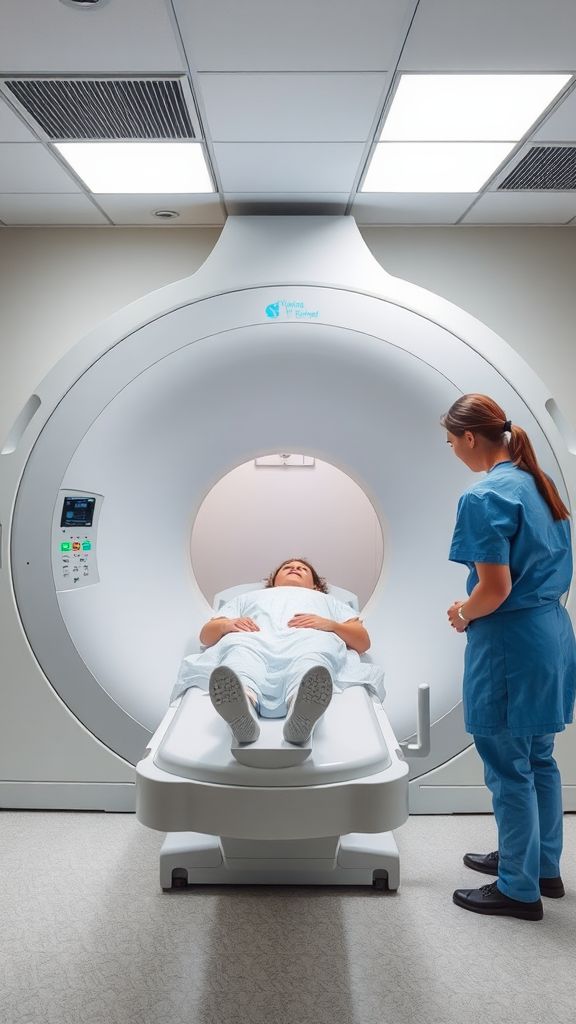
Medical teams can use Qbo-ai-online to organize patient history, imaging narratives, lab context, and prior documentation before expert review. The goal is faster orientation, more consistent attention, and clearer escalation.
Structured guidance, evidence summaries, and risk indicators help clinical teams evaluate next steps with better context.
Models can identify patterns that may require follow-up, outreach, or further clinical evaluation.
AI-assisted triage and report preparation support expert review while keeping final judgment with qualified professionals.
Care coordination, service-line demand, referral routing, and resource planning become easier to understand through analytics.
Review queues, confidence signals, rationale notes, and escalation rules preserve accountability throughout the workflow.
Connected operations
AI medical solutions connects clinical, operational, and administrative signals in one governed view. Teams that already coordinate qbo online processes can use Qbo-ai-online to interpret reporting patterns, align patient-service workflows, and reduce the manual reconciliation that slows high-quality care.
The platform is designed for healthcare organizations that need qbo visibility without turning medical teams into finance software operators. It can support qbo intuit data flows around billing readiness, procurement signals, and service-line analytics while keeping clinical decisions in human hands.
For leaders modernizing the back office, qbo online context becomes more useful when paired with medical data intelligence. Qbo-ai-online helps qbo intuit reporting behave like a responsible operational signal, not a disconnected spreadsheet. That makes qbo activity easier to understand alongside staffing, patient access, and care coordination.